
Falls Prevention for Seniors: Reducing Falls Risk at Home
Falls are one of the leading causes of injury among older Australians. While ageing can increase the risk of falls, many falls can be prevented through regular exercise, home safety improvements, medication reviews, and ongoing support.
Whether you receive Support at Home services, a Home Care Package, or privately funded care, understanding falls prevention can help you maintain independence, confidence, and quality of life.
Why Falls Are So Common in Older Adults
As we age, changes in balance, strength, eyesight, hearing, and reaction time can increase the likelihood of falling.
Common Risk Factors include:
Reduced Muscle Strength
Poor Balance
Vision Changes
Certain Medications
Foot Pain or Inappropriate Footwear
Chronic Health Conditions
Cluttered or Poorly Lit Homes
Previous Falls
People who have experienced one fall are more likely to experience another, making early intervention important
How to Reduce Your Risk of Falling
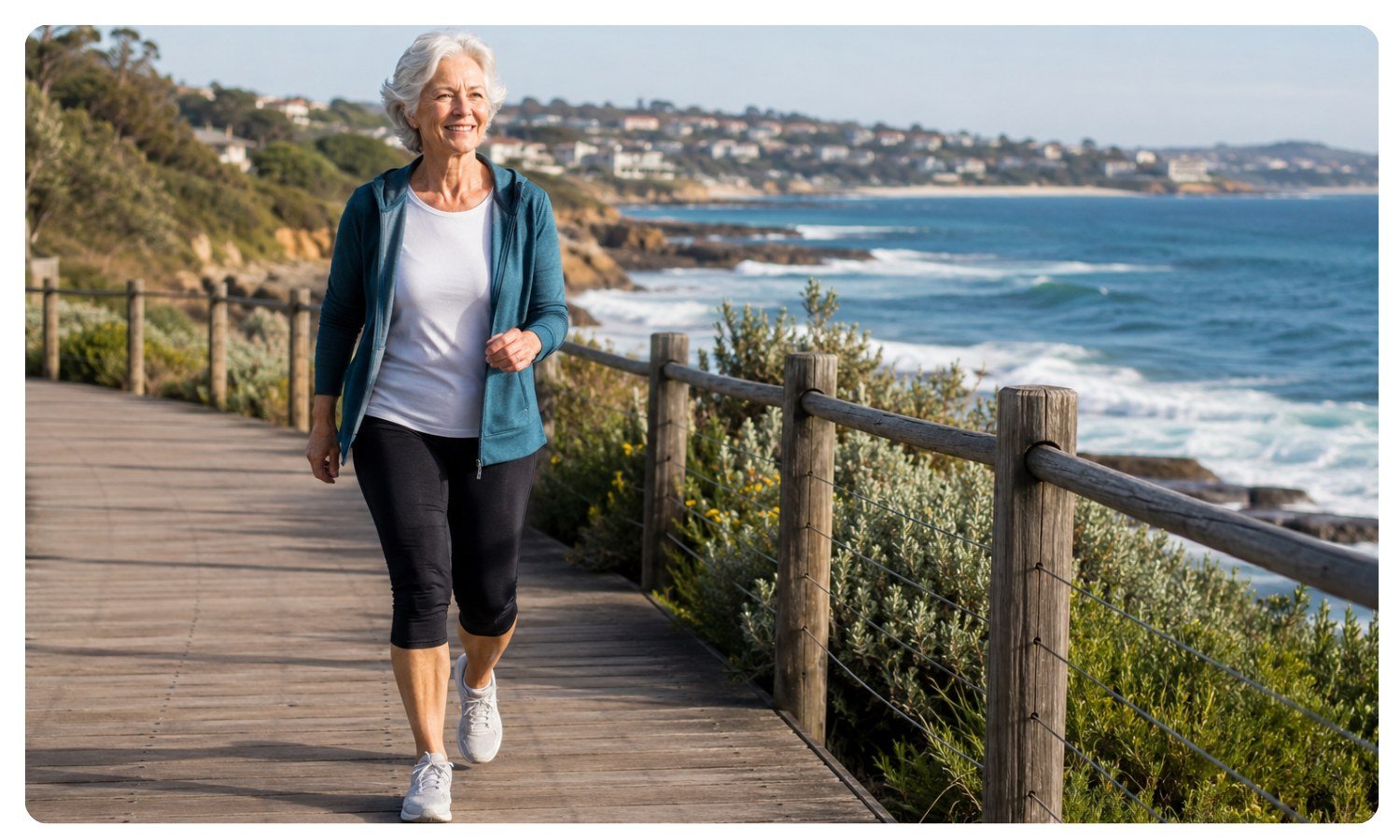
Stay Active
Regular physical activity helps improve:
Balance
Strength
Coordination
Flexibility
Activities such as:
Walking
Tai Chi
Gentle Strength Exercises
Physiotherapy Programs
Chair Based Exercises
can all help reduce falls risk.
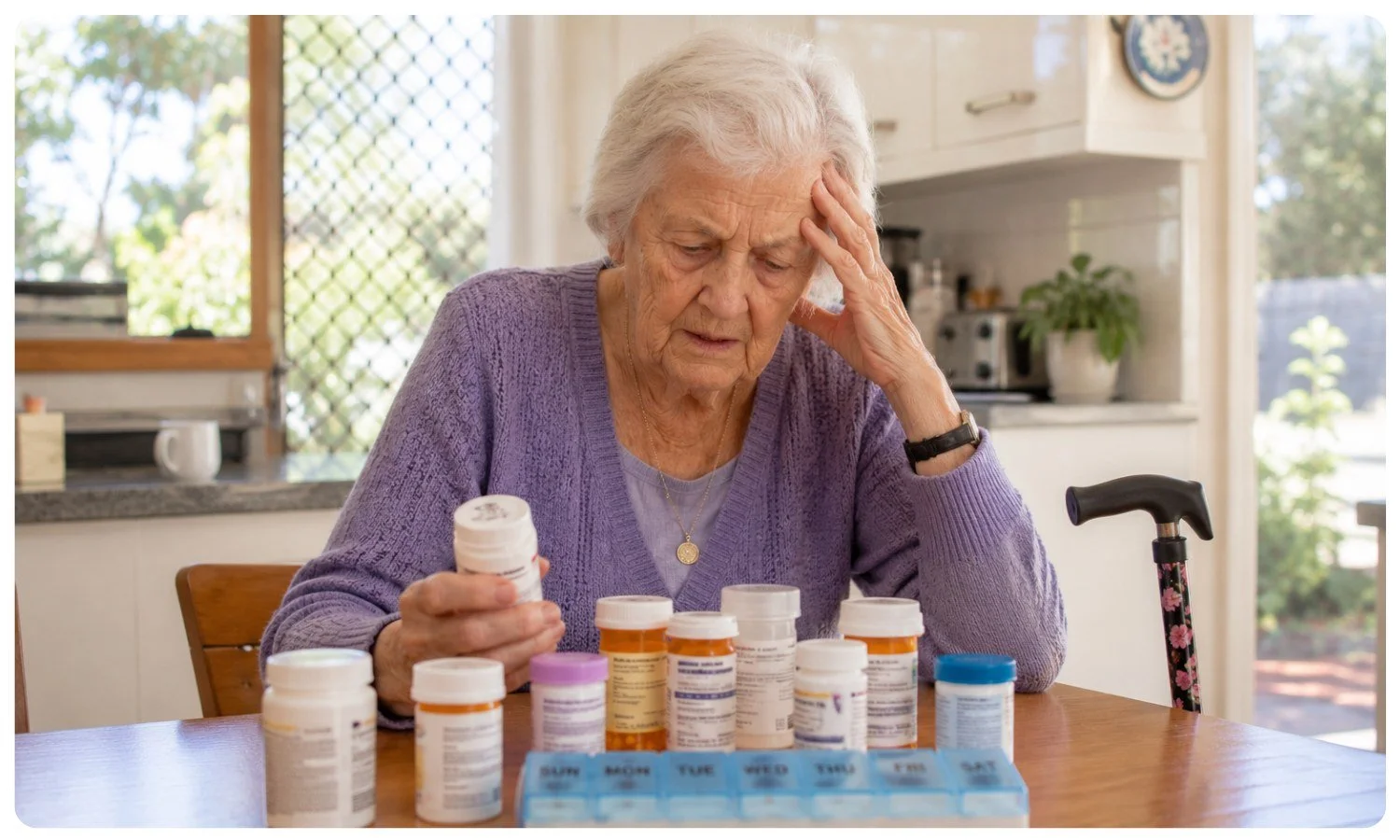
Review Your Medications
Some medications can cause:
Dizziness
Drowsiness
Low Blood Pressure
Confusion
Speak with your GP or Pharmacist if you experience any of these symptoms.
A medication review may identify ways to reduce your risk.
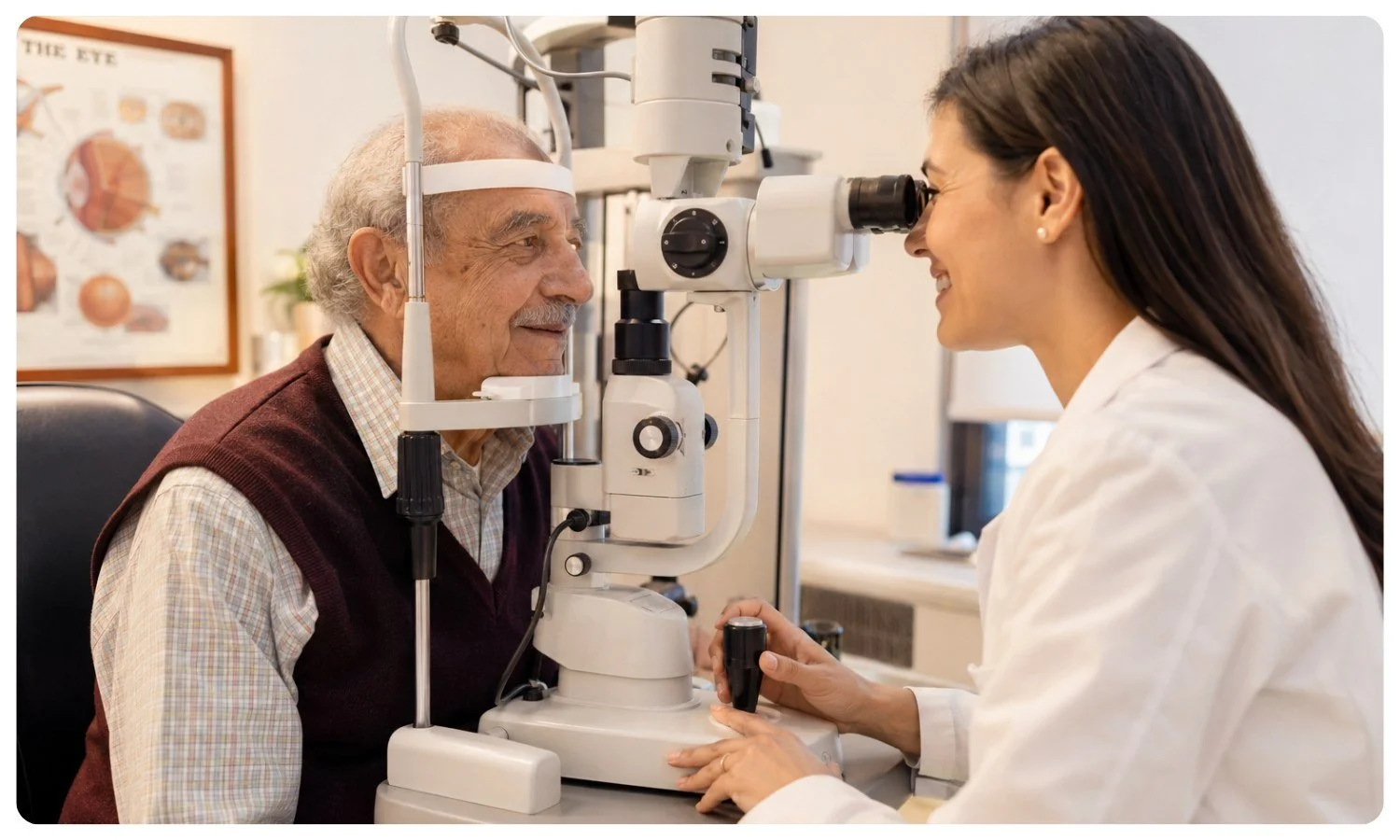
Have Regular Eye and Hearing Checks
Vision and hearing play a major role in maintaining balance and awareness.
Regular assessments can identify:
Cataracts
Glaucoma
Macular degeneration
Hearing loss
which may increase the likelihood of falls.
Maintain Strong Bones and Muscles
Adequate nutrition supports mobility and bone health.
Important nutrients include:
Calcium
Vitamin D
Protein
Talk to your doctor if you are concerned about deficiencies or osteoporosis.
Home Safety Tips to Prevent Falls
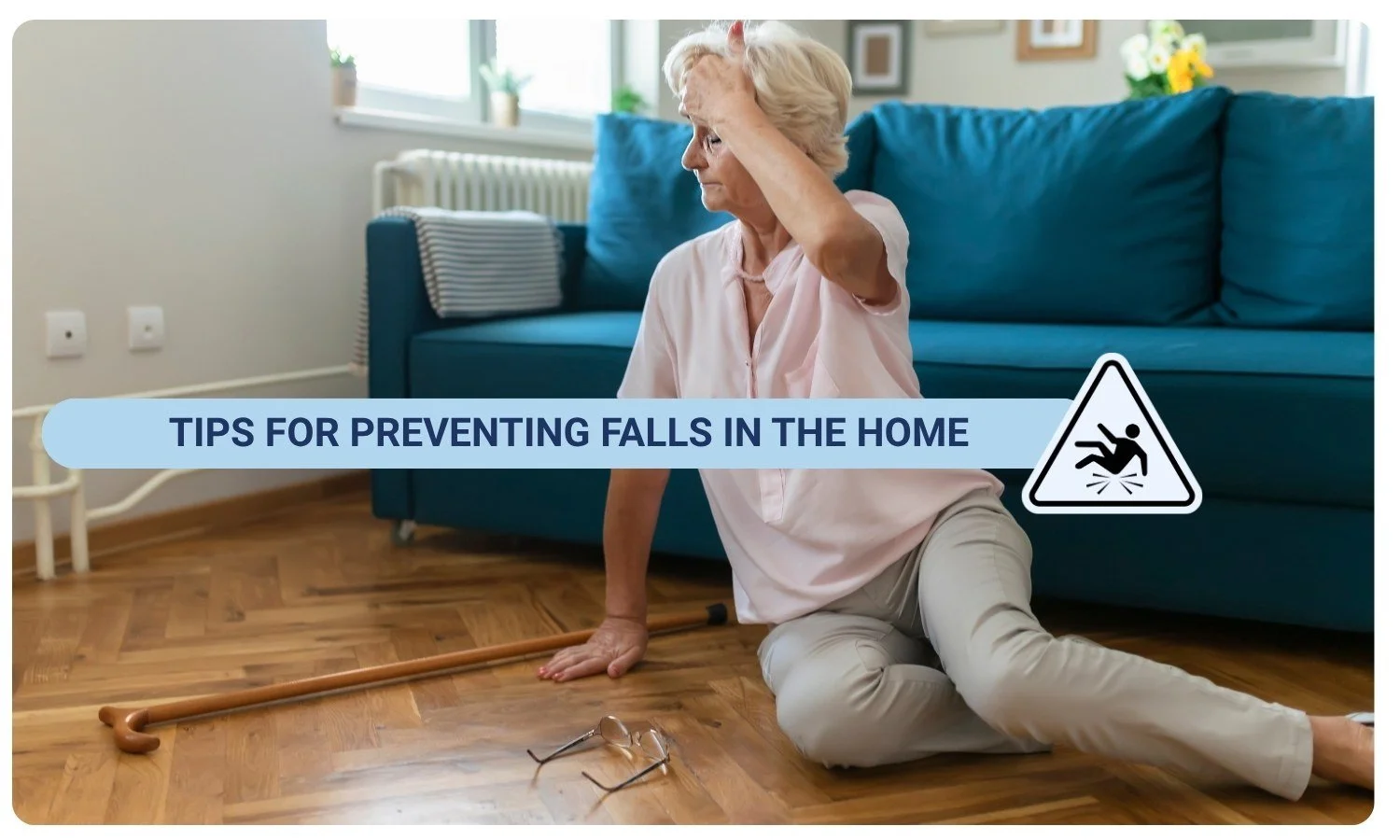
More than half of falls among older Australians occur at home. Simple changes can make a significant difference.
Stairs and Steps
Install sturdy handrails
Highlight stair edges
Repair uneven surfaces
Keep stairs clear
Outdoor Areas
Remove moss and debris
Repair cracked paths
Store garden tools safely
Improve outdoor lighting
Falls Alarms and Personal Safety Devices
Personal alarms can provide peace of mind for older people living independently.
Many modern falls alarms can:
Detect falls automatically
Contact emergency services
Alert family members
Provide GPS location tracking
These devices can help ensure assistance is available when needed.
Floors and Walkways
Remove loose rugs
Clear clutter
Secure electrical cords
Keep walkways unobstructed
Lighting
Install brighter lighting
Use night lights
Add sensor lights outside
Improve visibility on stairs
Bathrooms
Install grab rails
Use non-slip mats
Keep floors dry
Consider shower chairs if required
What To Do After A Fall
If a fall occurs:
Seek Immediate Help If:
There is severe pain
A head injury is suspected
The person cannot move
The person loses consciousness
Call 000 immediately.
If No Serious Injury Is Present
Stay calm
Take a moment to assess injuries
Move slowly
Contact a family member, carer, or healthcare professional
Even minor falls should be discussed with your doctor, as they may indicate an underlying health issue.
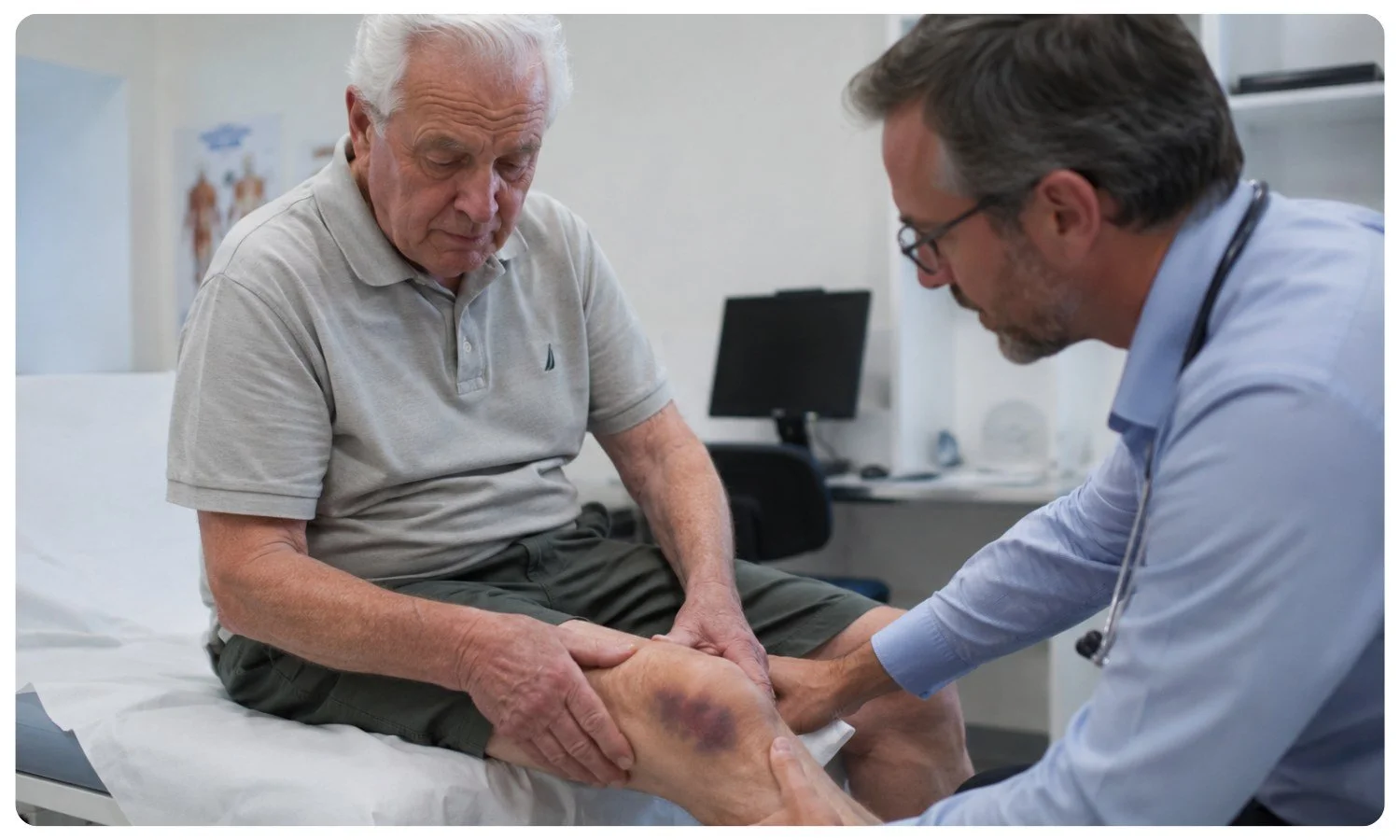
Recovering After A Fall
Recovery often involves more than physical healing.
Support may include:
Physiotherapy
Occupational therapy
Strength and balance programs
Home modifications
Ongoing support services
Many older people also develop a fear of falling after an incident. Maintaining activity and receiving appropriate support can help rebuild confidence.
Frequently Asked Questions
What causes most falls in older people?
Falls are often caused by a combination of poor balance, muscle weakness, medications, vision changes, and environmental hazards.
Can falls be prevented?
Many falls can be prevented through exercise, home modifications, medication reviews, and regular health checks.
Are falls alarms worth it?
Falls alarms can provide additional safety and peace of mind, particularly for people living alone.
What should I do if my parent keeps falling?
Arrange a GP review and consider a falls risk assessment. Home modifications and support services may also help reduce future falls
How Support at Home Services Can Help Prevent Falls
Support at Home services can assist older Australians to remain safe and independent at home.
Services may include:
Transport support
Personal care
Home safety assessments
Allied health services
Assistance with shopping and daily tasks
A tailored care plan can help address individual falls risks while supporting independence.
Concerned About Falls at Home?
Bannister In Home Care can help older Australians remain safe, independent, and confident in their own homes through tailored Support at Home and home care services.
Contact our team today to discuss how we can support you or your loved one.